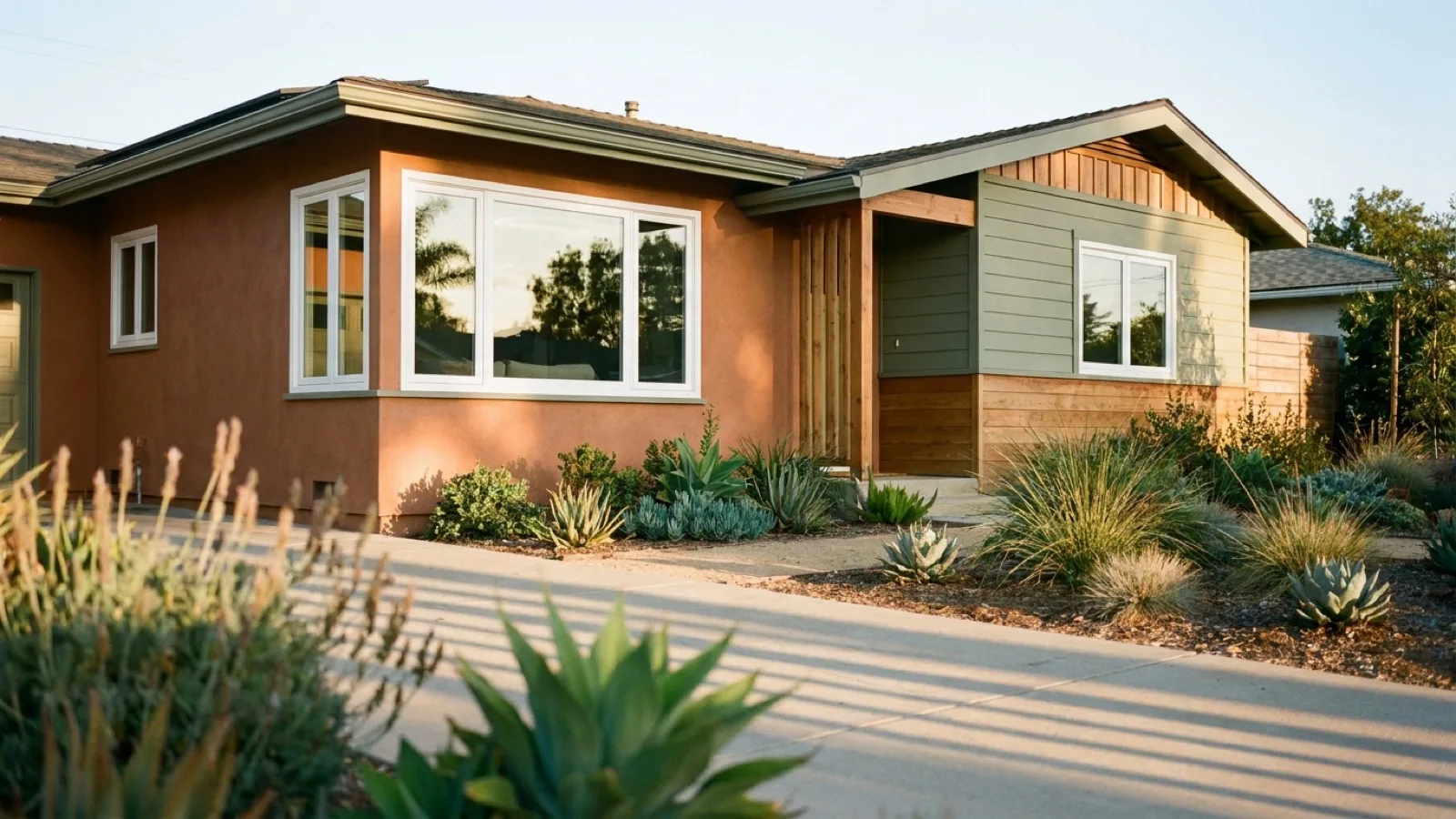
A whole-house window job is a stack of per-window prices, not one invented lump sum. Vinyl retrofit on this site is about $650-$1,200 installed per window. Full-frame is $900-$1,600. Ten to fifteen windows at those bands is a large check for most households. Financing in San Diego is the same mix as any other home project: manufacturer payment plans, home equity products, personal loans, and sometimes property-assessed programs. Rates, approval, and fine print belong to the lender. Window Pro SD does not lend and does not set the installer’s price.
Window financing through the manufacturer or installer
Most of the local companies that install windows through the Window Pro SD network work with a financing partner, and the pitch is usually some version of “low monthly payments” or “same as cash for 12 months.” These plans run through a third-party lender, not the installer directly, and the approval process is typically a soft credit check that takes a few minutes at the estimate visit. The upside is speed and simplicity: no separate loan application, no appraisal, and the payment gets folded straight into the project quote. The downside is that these plans often carry higher interest rates than a bank product once any promotional period ends, and the promotional terms deserve a close read before signing. Ask specifically what the interest rate becomes after the promo period and whether it’s deferred interest or simple interest from day one.
Some installers offer more than one financing partner and let the homeowner pick between them at the estimate. That’s worth asking about directly, since a single installer working with two or three lenders usually means at least one option with a longer promotional window or a lower fallback rate. Don’t assume the first plan mentioned is the only one available; a second lender with slightly worse marketing can still be the better deal once the actual numbers are on paper.
Home equity loans and HELOCs
For a bigger job, a home equity line of credit or a fixed home equity loan is usually the cheapest form of window financing in San Diego, because the loan is secured by the house and the rate reflects that. A HELOC works like a credit line: you draw what you need for the window job, pay interest only on what’s drawn, and can leave it open for a future project. A home equity loan is a lump sum with a fixed rate and a fixed payment, which some homeowners prefer for a one-time expense like a full window replacement. Both require enough equity in the property and a credit profile the lender is comfortable with, plus an appraisal or an automated valuation in most cases. The process takes longer than a manufacturer plan, often two to four weeks from application to funding, so this route works better when the job isn’t urgent.
Personal loans
An unsecured personal loan skips the appraisal and the paperwork tied to the house, funds faster than a HELOC, and doesn’t put the property up as collateral. That makes it a reasonable middle ground for a mid-size job, say six to twelve windows, where the amount doesn’t justify the time and cost of a home equity product. The tradeoff is rate: personal loan interest is almost always higher than a HELOC because the lender has nothing to repossess if the loan goes unpaid. Credit unions in San Diego County often beat national online lenders on personal loan rates for members, so it’s worth a quick comparison before accepting the first offer.
Online lenders can sometimes fund a personal loan within a day or two of approval, which matters if a window is broken or leaking and the job can’t wait for a HELOC to close. That speed comes at a cost, though. A quick side-by-side of a credit union’s rate, a bank’s rate, and an online lender’s rate on the same loan amount usually shows a meaningful gap, sometimes several percentage points, so it pays to spend twenty minutes comparing before signing whichever offer arrives first.
PACE financing for energy-efficient windows
PACE, short for Property Assessed Clean Energy, lets a homeowner pay for qualifying energy upgrades, including some window replacements, through an assessment on the property tax bill instead of a traditional loan. It’s marketed around approval that doesn’t hinge on credit score, which appeals to homeowners who’d struggle to qualify elsewhere. The catch is that the debt attaches to the property itself, not to the borrower personally, which means it has to be resolved before a sale or a refinance closes and can complicate both. PACE program availability and rules have tightened across California in recent years, so confirm the current terms with the specific PACE administrator active in your part of San Diego County, and read the assessment schedule carefully before enrolling. This option fits homeowners planning to stay in the house for a while, less well those expecting to sell soon.
Questions to ask before you finance a window job
Before signing any window financing agreement, a few questions save real money down the line. Is this deferred interest or simple interest, and what happens if the balance isn’t paid off by the promotional deadline. What’s the actual APR after any promotional period ends, not just the number printed on the flyer. Is there a prepayment penalty for paying the loan off early. Does the financing come from the installer’s in-house partner or an outside lender, and does that change who to call if something goes wrong with the loan itself. A window pro in the Window Pro SD network can walk through financing options at the same estimate visit where they quote the job, and a good installer answers these questions directly instead of steering the conversation back to monthly payment size alone.
Financing and the cost of the job itself
Financing terms matter, but they don’t change what the windows actually cost or what they’re worth over time. Understanding the real price range first makes it easier to size a loan correctly instead of guessing. For current numbers by window type and material, see what window replacement costs in San Diego. Vinyl windows are usually the lowest-cost starting point for a homeowner financing the job. Energy-efficient windows cost more upfront; whether they cut the SDG&E bill enough to offset part of a loan depends on the openings and rates, not a number this page can promise. The federal 25C window credit ended for windows placed in service after December 31, 2025; see window tax credits and rebates in San Diego. Older housing stock in inland communities like La Mesa, where a large share of homes still run original single-pane frames, often sees the biggest jump in comfort and energy savings once the new windows are in, which is worth weighing against the financing cost.
Getting quotes with financing in mind
Get at least two or three quotes before choosing a financing path. Ask each installer to break out the cash price from the financed price so the cost of borrowing is visible. If a HELOC is on the table, start that application early. Financing should not change who does the work or which product is specified. Window Pro SD is a referral service. The homeowner contracts the licensed installer directly, cash or financed.