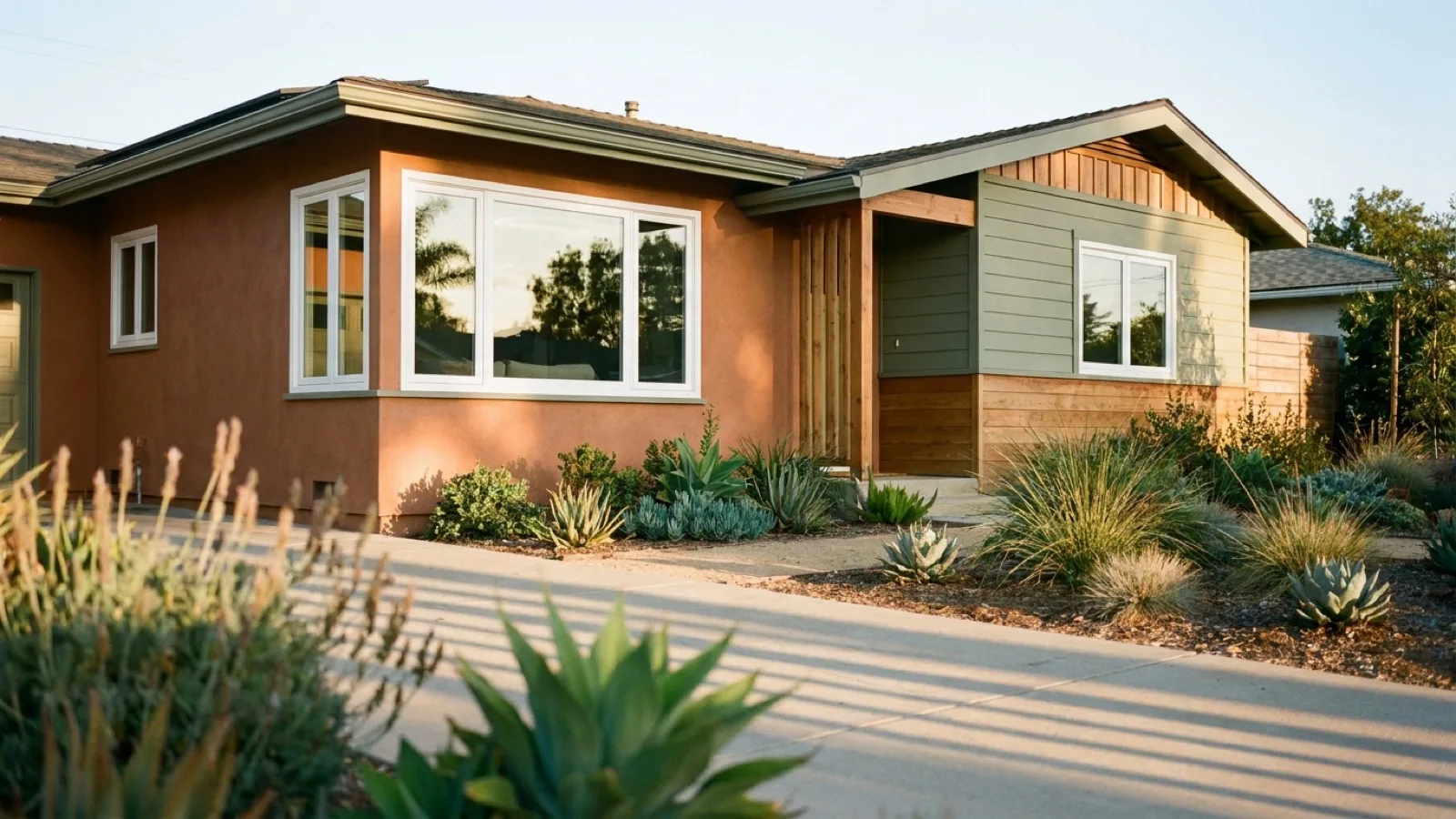
The federal tax credit for new windows is gone for 2026. The Section 25C credit ended for windows placed in service after December 31, 2025, under the tax law passed in 2025. Homeowners installing windows this year generally can’t claim it on their federal return anymore. That doesn’t mean there’s nothing left on the table. Energy-efficient windows still lower SDG&E bills every month they’re in the house. Manufacturer rebates still show up here and there, on their own schedule. California’s Title 24 code already requires efficient windows on most replacement jobs, credit or no credit. The savings just look different than they did a year ago, and it’s worth knowing exactly how.
Is there a window tax credit in San Diego for 2026?
For most homeowners, the answer is no. The federal Energy Efficient Home Improvement Credit, known as the Section 25C credit, only applied through the end of 2025. The 2025 federal tax law ended the credit for windows placed in service after December 31, 2025. That means windows installed anywhere in San Diego during 2026 generally don’t qualify for this specific credit, even if the same window would have qualified a year earlier. Tax law changes from year to year, sometimes with little warning, and Congress could act again before you file. Before you count on anything, confirm the current-year status on IRS Form 5695 or with your own tax preparer. Don’t assume last year’s rules still apply just because they applied last year.
What the federal window tax credit was worth
While it was active, the 25C credit covered 30% of the cost of qualifying windows and skylights. That percentage was capped at $600 per year, no matter how much a homeowner actually spent on glass. The $600 window cap sat inside a larger $1,200 annual limit that covered home energy improvements as a whole, not windows alone. The credit was nonrefundable, which means it could only reduce taxes already owed, not generate a refund by itself. Homeowners claimed it on IRS Form 5695 when they filed their federal return for the year the windows went in. It only applied to an existing primary residence, never to new construction and never to a rental property. Those mechanics still matter if you’re amending a prior-year return or double-checking an old installation.
What windows qualified: energy efficient windows
Qualifying for the credit required more than a basic ENERGY STAR sticker on the glass. Windows had to meet the ENERGY STAR Most Efficient certification for the specific year they were installed, a noticeably higher bar than standard ENERGY STAR. In San Diego’s climate, meeting that bar usually meant Low-E, dual-pane glass paired with a low U-factor and a low solar heat gain coefficient, often written as SHGC on the label. Those specs matter for comfort and for your power bill even without a tax credit attached to them. The window pros in the Window Pro SD network can walk a homeowner through energy-efficient windows and explain how the ratings actually translate to a coastal or inland San Diego home. For more on how these performance standards interact with state building code, see energy efficient windows and Title 24 in San Diego.
SDG&E and manufacturer rebates: what to check in 2026
Utility and manufacturer rebates for windows come and go, and they rarely cover windows on their own. Before buying, check the ENERGY STAR rebate finder for anything currently active for San Diego County. Check the window manufacturer’s own promotions too, since those shift by quarter and by product line, sometimes without much notice. Ask the installer directly what’s running that month, since local installers often know about a promotion before any online rebate finder gets updated. Don’t count on a rebate existing until it’s confirmed in writing, with the dollar amount and the eligibility rules spelled out. Treat any rebate as a possible bonus on top of the job, never as the reason to move forward with it.
The savings that don’t need a tax credit
Energy-efficient windows keep paying a homeowner back long after any tax credit expires or changes. Low-E dual-pane glass cuts the heat pouring through west- and south-facing San Diego windows during the hottest part of the day. When less heat gets into the house, the air conditioning runs less, and SDG&E bills drop in response. California’s Title 24 energy code already requires new and replacement windows to meet minimum energy performance standards on their own. In practice, that means an efficient window is often the only option that’s legal to install in the first place, regardless of any incentive. If west-facing rooms run hot in your home, read more about reducing west-facing heat gain. A dual-pane upgrade is usually where that ongoing savings starts.
Getting the most out of new windows in San Diego
A few habits protect the investment whether or not a rebate ever shows up. Keep the manufacturer’s certification statement and the installation receipts with your tax records regardless of the current credit situation. Compare quotes from more than one installer before committing to a specific window line or brand. Choose a window that meets Title 24 on its own merits, not just whichever option looks cheapest on paper. Window Pro SD connects San Diego homeowners with local window installers across San Diego County who fit ENERGY STAR-rated, Title 24-compliant windows. If budget is still the open question, start with what window replacement costs in San Diego. For a straightforward, budget-conscious option, vinyl windows are worth a look before deciding on a pricier frame material. Homeowners anywhere in the county can find window replacement across San Diego through the same network of local installers.